OVERVIEW & PURPOSE STATEMENT
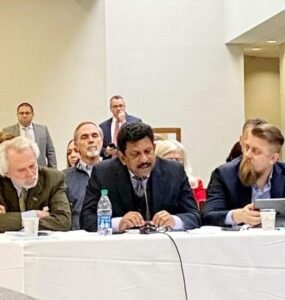
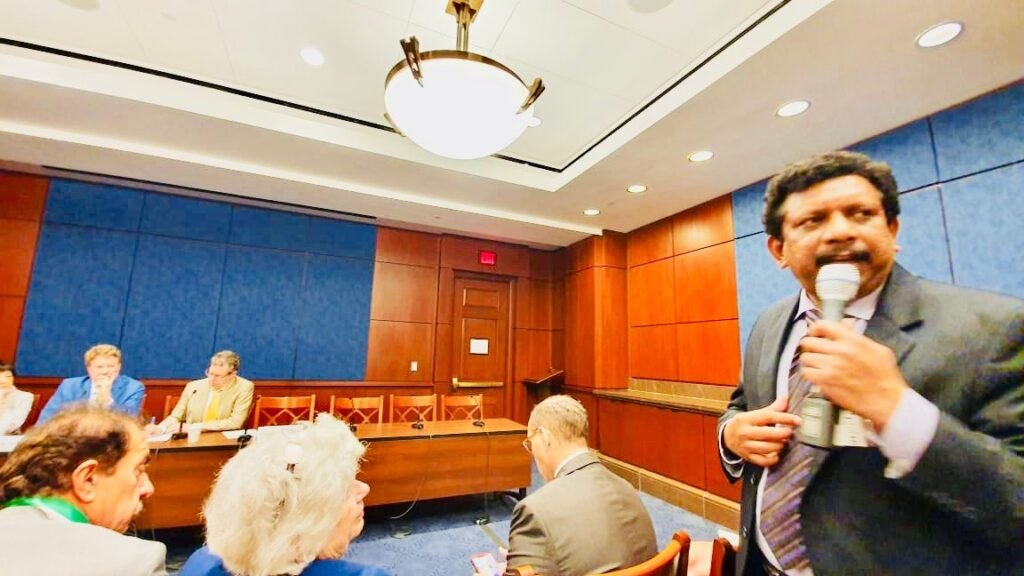
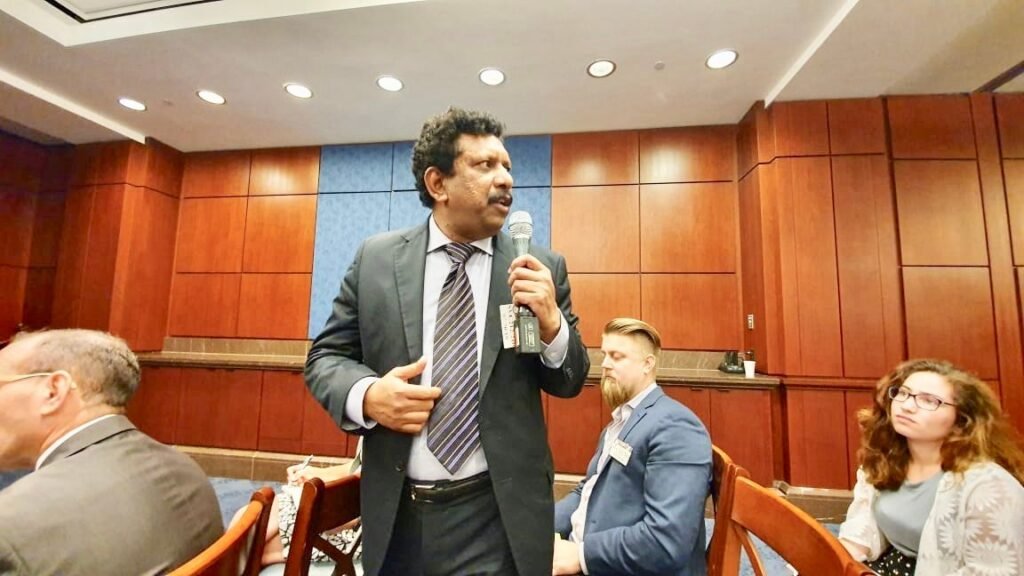
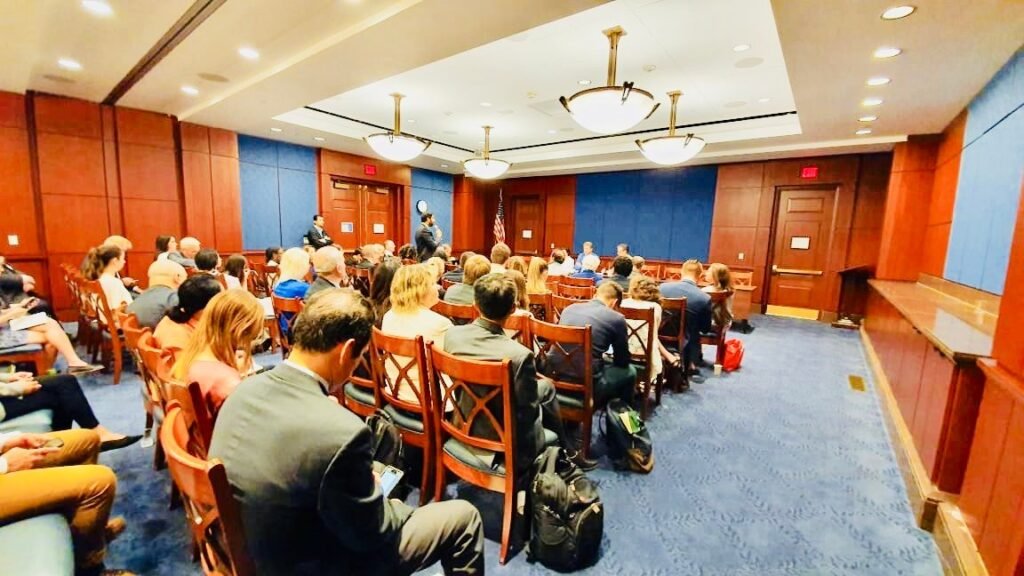
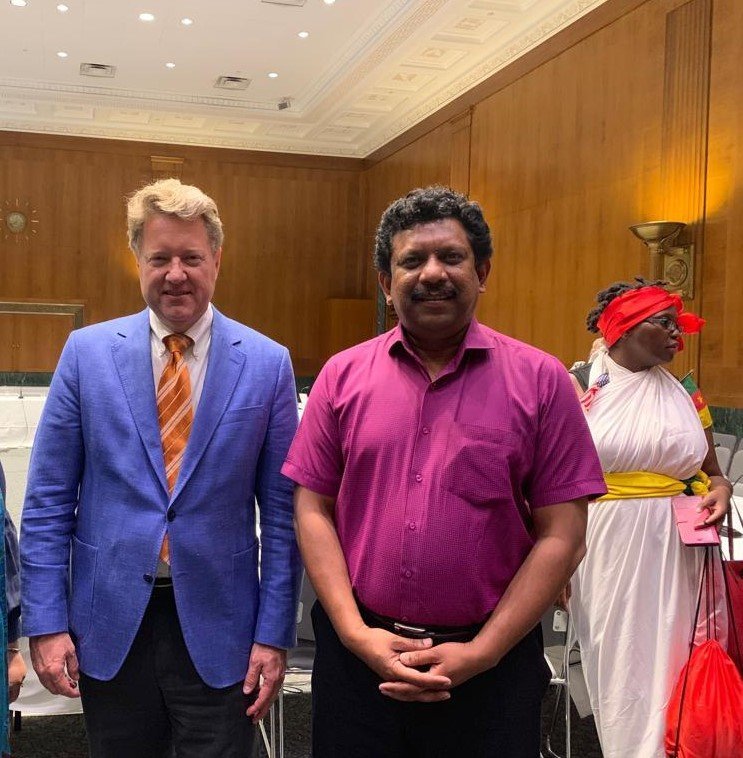
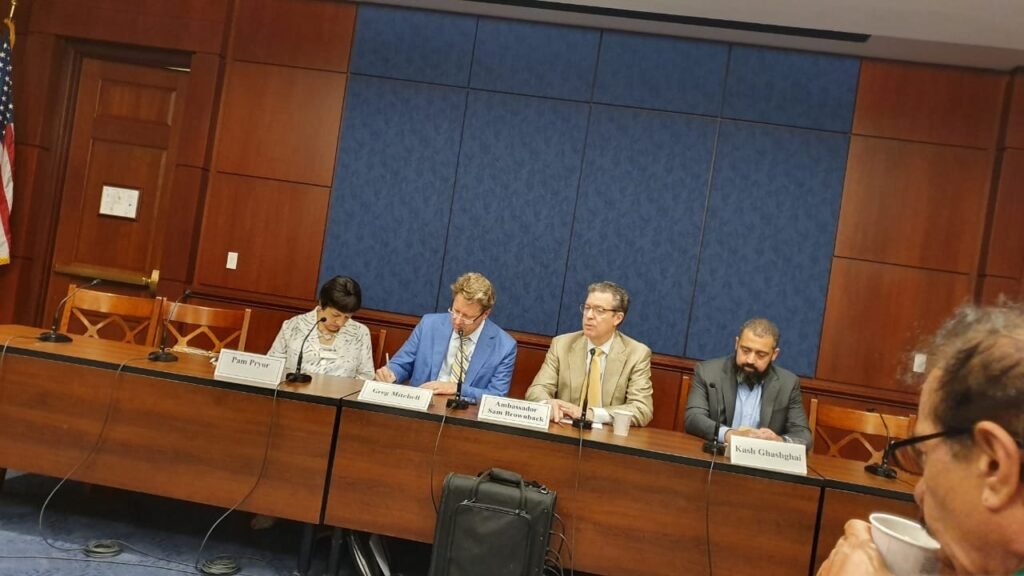
The IRF Roundtable is an informal group of individuals from non-governmental organizations who gather regularly to discuss IRF issues on a non-attribution basis. It is simply a safe space where participants gather, speak freely in sharing ideas and information, and propose joint advocacy actions to address specific IRF issues and problems. In response to various participant-led initiatives regarding the protection and promotion of freedom of religion, conscience, and belief in the U.S. and abroad, all participants have the opportunity to self-select into coalitions of the willing.
The Roundtable meets twice each month in the U.S. Capitol and average attendance has grown to 125-150 participants from civil society and government, including the U.S. Ambassador for International Religious Freedom, senior staff members from the State Department, the Commerce Department, the U.S. Agency for International Development, the U.S. Commission on International Religious Freedom, the U.S. Helsinki Commission, the Tom Lantos Human Rights Commission, the International Religious Freedom Caucus, members of Congress, and like-minded foreign embassies.
The goal of the Roundtable is to reverse the rising tide of restrictions on religious freedom that has been spreading across the world. According to the Pew Research Center’s latest annual study on global restrictions on religion, 83% of the world’s population lived in countries with high or very high levels of restrictions and/or hostilities (up from 74% in 2014; and 68% in 2007).
In this direction, the purpose of the Roundtable is to advance IRF by:
- Engaging the U.S. government to make IRF a foreign policy and national security priority so:
- IRF is fully integrated into U.S. foreign policy and national security, including democracy promotion, public diplomacy, counterterrorism, and multilateral strategies.
- U.S. foreign policy tools are used to advance religious freedom around the world, per the mandate established by the 1998 International Religious Freedom Act.
- The political and cultural institutions necessary to advance religious freedom are continually supported, facilitated, and protected at home and abroad.
- Global levels of religious intolerance, discrimination, persecution, terrorism, and instability are significantly reduced.
- Engaging civil society leaders, other governments that protect and promote religious freedom, and multilateral, intergovernmental institutions to coordinate joint advocacy efforts.
- Engaging in meaningful dialogues with governments that restrict religious freedom, so as to:
- Politely but persistently push factual reports that document violations of their own constitutions and/or international commitments.
- Frame the issues in their best interests, and increase mutual understanding and respect of religious communities and dynamics.
- Agree on a process to resolve differences related to particular situations in their countries.
- Create a mechanism for improvement of policies and practices, and for verification.
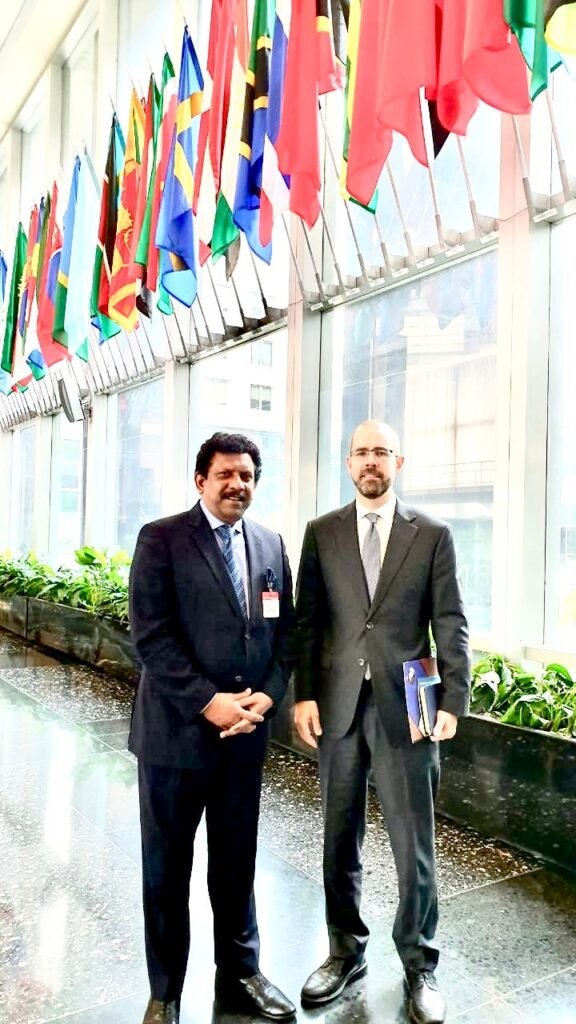
While participants of the Roundtable continue to engage the U.S. government to do more to advance IRF, and work with it when and where it can help, they do not rely exclusively on it to achieve the goal. Rather, participants also reach out directly to other governments. The meaningful dialogues they have opened with ambassadors, embassies, and delegations are designed to grow into results-driven collaborations. Indeed, they are manifestations of “bottom-up” civil society engaging the “top-down” of governments, something participants want to model in the context of multiple bilateral relations. To borrow from the lingo of diplomacy, the Roundtable represents a creative intersection of “Track 1” (governmental) and “Track 2” (civil society) – its emerging model is a true demonstration of “Track 1.5” engagement in action, through which strategic partnerships, collaborations, and consultative relationships between governments and civil society organizations might advance peace and prosperity.